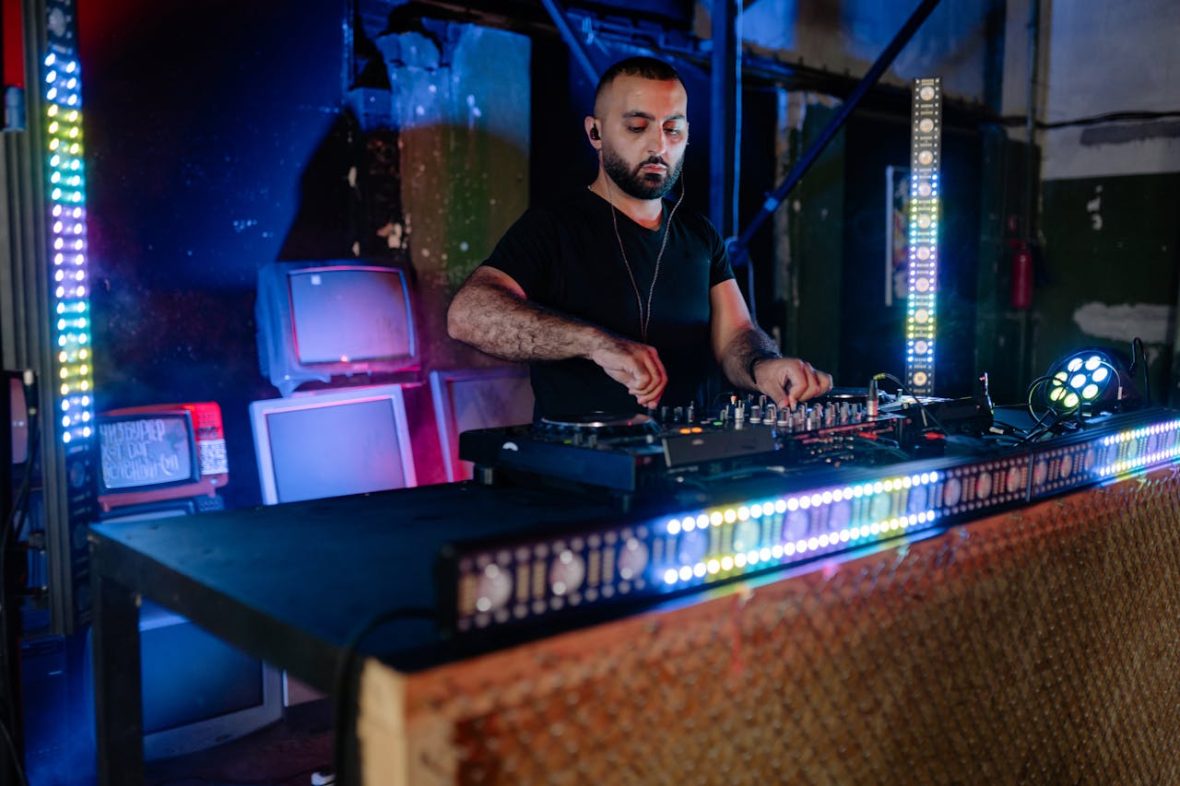
DJ Controllers and traditional DJ mixers might look similar at first glance, but they play very different roles in a modern DJ setup. Understanding these differences will help you build the right rig for your style, whether you’re a beginner learning the basics or a working DJ playing clubs and events across the USA. For those ready to upgrade or invest in new gear, Sole Source AV Supply is an excellent place to buy DJ controllers online in the USA, offering a wide selection of software‑compatible controllers, bundles, and pro‑audio accessories.
What Is a DJ Controller?
A DJ controller is an all‑in‑one hardware unit that connects to DJ software on your laptop or device, giving you hands‑on control over decks, mixing, effects, and performance features. It typically combines jog wheels, a mixer section, performance pads, transport controls, and an internal audio interface in a single chassis.
Most DJ controllers are designed to integrate tightly with platforms like Serato, Rekordbox, and Traktor, allowing you to browse playlists, trigger cue points, loop sections, and apply effects directly from the hardware rather than clicking with a mouse. This deep integration makes them extremely popular for home studios, live streaming, events, and mobile gigs.
What Is a DJ Mixer?
A DJ mixer is a dedicated mixing console that sits between multiple audio sources, such as turntables, media players, or external instruments. Its core function is to blend audio signals, control levels and EQ, and route sound to speakers and monitors.
Unlike controllers, a mixer does not usually include jog wheels or tight software integration; instead, it focuses on high‑quality analog or digital audio circuitry, faders, crossfaders, and input/output routing. Club‑standard setups often pair a standalone mixer with separate decks like CDJs or turntables, especially where reliability and modularity are critical.
Core Functional Differences
The most important difference between a DJ controller and a DJ mixer is the relationship with software and the sources they control. A controller acts primarily as a hardware front‑end for DJ software, manipulating digital tracks on your laptop, while a mixer handles audio signals from physical sources like decks and players.
Controllers usually include an integrated audio interface, so you can plug speakers and headphones directly into them, whereas many traditional mixers are part of a modular system and rely on external sources that already provide audio output. This makes controllers cheaper and more portable for DJs who are fully committed to digital workflows.
Hardware Layout: Controller vs Mixer
On a DJ controller, you’ll typically find two or four “virtual” decks with jog wheels, transport buttons, and performance pads flanking a central mixer section. This layout mirrors the software interface and is designed to make laptop‑based performance fast and intuitive.
On a standalone DJ mixer, the focus is entirely on channels, EQ knobs, gain controls, filters, and crossfaders. There are no jog wheels, and any performance functions like hot cues or loops live on your separate decks. This separation is preferred by many club DJs who want to switch between different players or integrate external instruments.
Software Integration and Workflow
DJ controllers are built to work hand‑in‑hand with software such as Serato DJ, Rekordbox, or Traktor, often shipping with licenses or “plug‑and‑play” mappings. This integration allows detailed control over track browsing, waveforms, sync, effects, samplers, and stems, all from the hardware surface.
Traditional mixers may offer some digital features, like USB audio interfaces or built‑in effects, but they generally don’t control software in the same comprehensive way. Instead, they receive the audio output from decks or laptops and handle blending and tone shaping at the hardware level. This can be ideal for DJs who prefer manual beatmatching and less software automation.
Portability and Setup Complexity
For mobile DJs, beginners, and live streamers, DJ controllers are attractive because they drastically reduce the amount of gear needed. One unit plus a laptop and headphones can be enough to perform at parties, bars, and small venues.
A mixer‑based rig with separate decks, media players, or turntables involves more components, cabling, and physical space. While this modular approach is excellent for permanent installs or professional booths, it can be overkill for home users or traveling DJs who want a compact, quick‑setup solution.
Cost and Value Considerations
Generally, DJ controllers offer more value at entry and mid‑range price points because they combine multiple functions (decks, mixer, audio interface, and performance controls) into one box. This makes them ideal for DJs who want maximum capability with minimum upfront cost.
Mixers, especially high‑end club models, can be expensive and still require separate decks or players. However, they often deliver superior audio quality, robust build, and industry‑standard ergonomics—which matters if you aim to work in professional environments that use standalone CDJs and mixers.
Which Is Better for Beginners?
For most beginners, a DJ controller is the better starting point because it offers:
- Integrated controls for decks and mixing.
- Direct software integration and built‑in learning tools.
- Lower overall cost and simpler cabling.
New DJs can focus on mastering beatmatching, phrasing, and creative use of effects without worrying about multiple external components. As skills grow, it’s easy to transition to club setups because the core principles of mixing remain the same.
Which Is Better for Professional Use?
Professional club and festival environments tend to favor standalone players (like CDJs) and dedicated mixers for reliability, redundancy, and flexibility. A mixer‑based booth lets different DJs plug in USB drives or laptops without reconfiguring an entire controller system.
That said, many working DJs still tour with high‑end controllers for mobile gigs, corporate events, or live streaming, because they can emulate club features in a compact package. The choice often comes down to the venues you play and whether you rely on venue gear or bring your own rig.
When You Might Need Both
Some DJs combine both worlds by using a controller at home and rehearsals, and then adapting to mixer‑based setups in clubs. Others use controllers with external inputs, feeding vinyl decks or media players into the controller’s mixer section, blurring the line between the two categories.
Knowing how to operate both DJ controllers and classic mixer‑plus‑deck rigs expands your flexibility and makes you more employable as a DJ, since you can handle a wider range of booth configurations.
Shopping for DJ Controllers Online
If you decide that a controller suits your style, choosing a reputable retailer is as important as choosing the hardware itself. A good vendor should offer a curated range of controllers optimized for Serato, Traktor, and Rekordbox, along with accessories like cases, headphones, and cables.
Sole Source AV Supply provides a dedicated category for DJ controllers from leading brands, helping you compare features, bundle options, and software compatibility in one place, while buying from an established US‑based pro audio specialist.
Why Sole Source AV Supply Is a Strong Option
For DJs in the USA, Sole Source AV Supply stands out as a reliable destination for purchasing DJ controllers online. The store lists a wide variety of controllers and controller bundles from major brands, with product pages that clearly indicate software support and ideal use cases.
Because the site focuses on professional audio and DJ equipment, you can pair your controller with suitable speakers, headphones, stands, and cables from the same source, streamlining your upgrade path and ensuring compatibility.
How to Decide: Controller or Mixer?
To choose between a DJ controller and a mixer‑based setup, ask yourself:
- Do you primarily play digital files from a laptop and want deep software control?
- Do you need portability for gigs, events, or streaming from home?
- Are you aiming for club booths where mixers and players are standard?
- How much are you willing to invest now vs. later as your career grows?
If your answers lean toward software, portability, and budget efficiency, a DJ controller is usually the smarter choice. If you’re targeting club residencies and want to master the industry‑standard booth environment, learning on a separate mixer and players may be worthwhile.
Conclusion: Matching Gear to Your Goals
A DJ controller is effectively an all‑in‑one performance hub tightly integrated with software, while a DJ mixer is a specialized audio tool designed to blend and shape signals from multiple external sources. Both can be “right,” depending on your workflow, venues, and budget.
When you’re ready to pick up or upgrade DJ Controllers for practice, performance, or streaming, exploring the controller selection at Sole Source AV Supply gives you access to brand‑name gear, bundles, and US‑based support tailored to modern digital DJs.